
Changes to NDIS funding for Improved Daily Living Skills
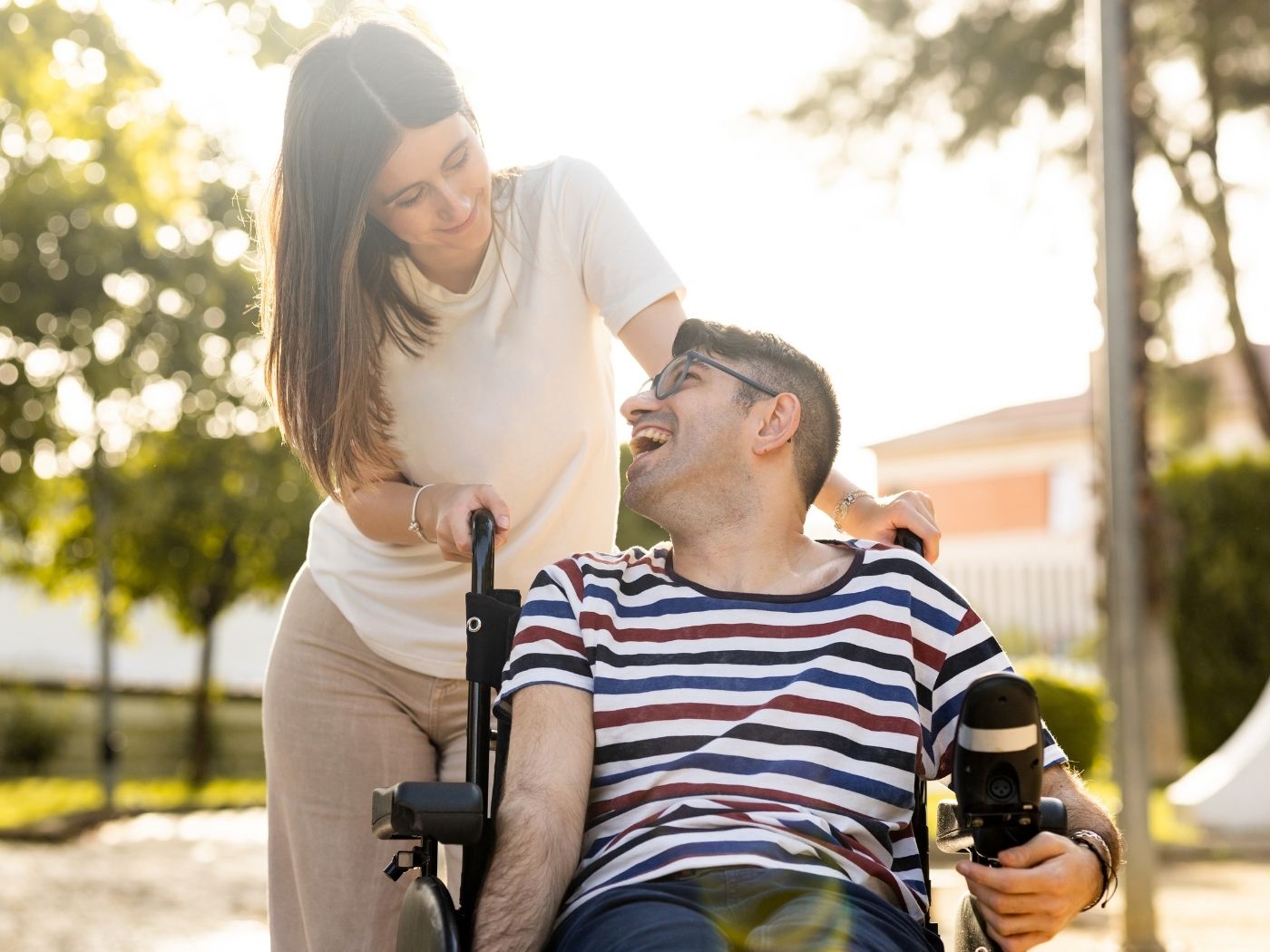
If you’ve heard about reductions to Improved Daily Living Skills funding in the National Disability Insurance Scheme (NDIS), you may be wondering what it means for your plan, your supports, and your next reassessment.
The budget cuts have certainly attracted plenty of attention, particularly because the Improved Daily Living Skills category is one many participants rely upon to fund much-needed therapy, as well as assessments and training. But there’s more to the story than many headlines suggest.
Here's what we know, what’s changing, and what you should be aware of.
What are the changes?
Your Capacity Building Supports budget is there to help you work toward your goals and build your independence. Within that budget, there are specific support categories – including Improved Daily Living Skills.
The National Disability Insurance Agency (NDIA) is reducing benchmark funding for Improved Daily Living Skills by 10 per cent.
Who will be affected?
Anyone whose NDIS plan includes Improved Daily Living Skills funding will be impacted when they undergo a plan reassessment or receive a new plan. But the effect of the changes will vary from person to person – and that’s because funding amounts and budget utilisation are different for every NDIS participant.
Whether you’ve been using your Improved Daily Living Skills funding a lot or a little, you may need to rethink how your budget has been spent in the past, talk with your current providers about what’s important to you, and ask how you can maintain supports after changes to your funding kick in.
If you're unsure which budget pays for a particular support, it's worth checking in your plan, or speaking with your NDIA contact, support coordinator or plan manager to find out.
When will the changes start?
The NDIA began rolling out budget cuts in October 2026. The 10 per cent reduction to Improved Daily Livings Skills funding will occur when:
- your plan is reassessed
- you receive a new plan
- you transition through the NDIA’s new framework planning process
The NDIA should let you know if your plan is going to change before it happens. Until then, you can keep using your funding as described in your plan.
What does this mean for your supports?
Improved Daily Living Skills funding pays for supports to help you to maintain, develop or increase your skills and capacity for independence and community participation. Depending on your life and your NDIS plan, you might use your funding for supports from providers like occupational therapists, physiotherapists, speech pathologists, dieticians and exercise physiologists.
A reduction in your Improved Daily Living Skills funding doesn't necessarily mean a direct reduction in services, but it might mean they need to be delivered differently. Some participants may need to prioritise one support over another, or they might decide to review how their funding is used across the lifetime of their plan.
The way you navigate the changes will depend on the funding in your plan, your NDIS goals, your disability-related needs, and how your supports are being delivered right now.
Most of this information should be contained in the service agreement you have with each of your Improved Daily Living Skills providers. If you don’t have service agreements in place, the NDIA has just released new resources to help you out. Find out more about service agreements here.
What if you don't have enough funding?
Change can feel unsettling, particularly when it affects the supports that have been helping you.
If you receive a new or reassessed NDIS plan and you don’t believe it provides enough funding for your disability-related needs, there are options available.
Evidence is still a very important part of the planning process. Information from providers and health professionals you work with can help explain what your support needs are, how those supports relate to your disability, the outcomes they’re expected to deliver, and what may happen if supports are reduced or unavailable.
While the 10 per cent reduction to Improved Daily Living Skills budgets across the Scheme is not a reviewable decision, there are other review pathways that may be open to you.
If you have high support needs and funding changes will affect your access to 24-hour disability supports, then a high support needs plan variation pathway may be available to you.
If, for any other reason, you’re experiencing significant and ongoing changes to your functional capacity, support needs, or circumstances, you can contact the NDIA to request a plan variation or an unscheduled plan reassessment.
Recent posts
21 October 2026
14 October 2026
29 September 2026
22 September 2026
10 September 2026
You may also like...

Changes to Assistance with Social, Economic and Community Participation funding in the NDIS
From 1 October 2026, as plans are created or reassessed – or from 1 February 2027, as plans are renewed – Assistance with Social, Economic and Community Participation funding is being reset.
Assistive technology rentals and the NDIS
Considering renting assistive technology using your NDIS funding? Here's what you need to know.
The fundamentals of NDIS evidence
Evidence plays an important role throughout your NDIS journey. It helps the NDIA understand how your disability affects your everyday life and what supports you require.
The shift to I-CAN assessments and what that means for you
From April 2027, the I-CAN assessment is expected to become part of the planning process for all NDIS participants over the age of 16. Here's what it involves.